


Ten Rules for Tractor Safety on Hills
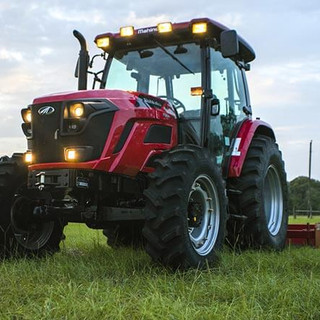

Whether you are a homeowner or a professional landscaper operating a tractor on sloped yards and hills, special precautions and safety measures are needed. Sloped areas are among the most difficult terrains for a tractor to operate on. Failing to follow basic hill safety practices can easily cause an accident, even for experienced operators.
A minor slip can lead to an overturn, serious injuries, and equipment damage. That is why many tractor dealers emphasize that, in addition to choosing a suitable tractor, one should also know how to operate it. According to OSHA, tractor overturns remain a major cause of fatalities in the agricultural industry. This blog discusses the top ten rules for tractor safety on hills.
Why Hills Are More Dangerous?
The machine's behavior on slopes differs from its behavior on flat terrain. The increased angle shifts the machine's center of gravity, increasing the risk of imbalance and tipping over. Conditions such as rocks, holes, loose soil, and wet grass only increase the danger. Observing tractor hill safety measures helps reduce risks and ensure smooth operations.
Top Tractor Safety Tips On Hills
Check Your Tractor Before Starting Work
Preparation is the first step to safety. Even a quick inspection can help spot potential hazards that can cause accidents while driving on slopes. Inspect the following:
Lights and warning signals.
Brakes.
Tire pressure.
Hydraulic systems.
Steering.
Fluid levels.
Even the smallest issue can become very dangerous during climbing or descending slopes.
Always Wear Your Seat Belt
Most modern tractors come with ROPS, but they can only protect you if you use a seat belt. The seat belt keeps you inside the protected area during an overturn.
Otherwise, the operator can be thrown out and suffer serious injuries. Do not forget about this simple yet essential step, even for small jobs.
Get Familiar With The Terrain Before Driving
Walk around the site and check the following:
Wet spots.
Sharp drop-offs.
Tree roots.
Rocks.
Ditches.
Soft ground.
Being familiar with the terrain helps you choose the best route. Planning before driving is one of the most useful tractor safety tips for hills.
Drive Slowly And Maintain Control
Increased speed is one of the major parameters that leads to accidents on slopes. If you feel the rear tires beginning to lose traction, resist the urge to add throttle. Back down slowly while keeping the tractor straight.
Rapid acceleration or sudden braking can cause a redistribution of the machine's load.
Rapid acceleration can place extra stress on drivetrain components, increasing wear and sometimes leading to costly farm equipment maintenance.
Use the lowest gear before climbing or descending, and do not change gears while going up or down.
Load The Machine Properly
Loading the machine shifts its center of gravity. While using front loaders, implements, or trailers:
Keep the load as low as possible.
Avoid overloading the tractor.
Secure the materials before driving.
Although a high loader bucket on flat ground seems safe, on slopes it can significantly reduce the machine's stability. Keeping the load low greatly improves stability on slopes.
Do Not Make Sharp Turns
Making sharp turns increases the risk of overturning. Whenever it is possible:
Avoid sudden steering movements.
Turn on the level ground.
Make wide turns.
Keeping the tractor aligned helps maintain balance throughout the job.
Pay Attention To Weather Conditions
A hillside that felt safe yesterday can become hazardous after overnight rain. Rain can make the soil slippery, and frost can cover the soil with ice. If the weather conditions are bad:
Drive slower
Postpone the job if conditions are unsafe.
Wait until the ground dries.
For this reason, it is always better to delay and wait for better conditions before continuing than to rush and cause an accident.
Always Be Alert
Slopes leave little room for correcting mistakes, so even a brief distraction can lead to loss of control.
Do not:
Never rush the job.
Wear headphones.
Use a mobile phone.
Look away from the path.
Fatigue can also decrease your reaction time. Take a break if you feel tired before continuing.
Climb And Descend Correctly
The direction of driving is important. If conditions allow:
Avoid crossing the hillsides.
Drive straight uphill.
Drive straight downhill.
Driving a slope crossways increases the risk of a sudden sideways overturn. Always keep your hands on the steering wheel and concentrate on keeping the straight line. Using engine braking instead of relying only on wheel brakes when descending.
Never Overuse Your Tractor
Each tractor has specific limitations depending on the model, design, and size. If the hill seems too steep for you, it really is.
A more powerful tractor isn't necessarily safer on steep slopes. Stability is much more important than power. Review the information about recommended operating angles in your owner's manual.
Real Life Example
The property owner was mowing a large hillside after several days of rain. While halfway through his job, one of the rear tires slipped on the wet grass. Instead of accelerating, he slowed down, descended the slope in a controlled way, and waited until the ground dried to complete his work.
This process delayed the job for some time but prevented a possible overturn and saved his tractor and mower attachments. This real-life example shows how patience can help you avoid accidents while driving a tractor on hills.
Additional Safety Measures
Besides the basic tips, many experienced operators develop additional habits that contribute to their safety. Good driving habits include:
Replace worn-out tires in time.
Follow the manufacturer's maintenance recommendations.
Keep both hands on the steering wheel.
Carry a fully charged mobile phone in an emergency.
Inform someone where you will be working.
Keep the kids and bystanders away from the working area.
Small but consistent steps prevent accidents.
Achieve Maximum Tractor Safety While Driving On Hills By Adopting These Rules
Operating on slopes requires preparation, patience, and sound decision-making. Follow these tractor safety guidelines for operating on hills to greatly decrease the risk of accidents, injuries, and damage.
Being prepared, driving at a safe speed, loading properly, and being attentive to changes in the ground can give you confidence. Whether you are a beginner operator or have years of experience, these safety tips, advice from trustworthy tractor dealers, and regular farm tractor repair service will keep your machines in good condition.


Comments