


How Bad Boy Tractors Improve Farming Efficiency and Productivity
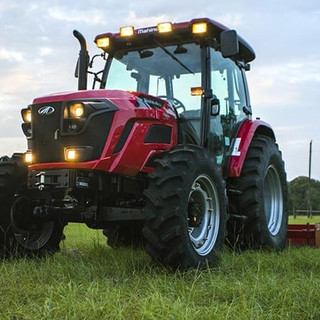

Small farms rarely have extra time or extra hands. When mowing, moving materials, preparing soil, and maintaining property all fall on the same few people, routine jobs can quickly consume an entire workday.
For small farms and ranches, Bad Boy tractors for farming can help simplify routine work when the model and attachments match the property's needs. By considering terrain, workload, horsepower, and implement compatibility, farmers can reduce unnecessary effort and complete everyday tasks more efficiently.
The goal isn't simply to own more equipment. It is about spending less time struggling with routine farm jobs and more time getting important work done. Understanding how tractor size, compatible implements, and operating conditions affect daily farm work can help farmers choose equipment that suits their workload and makes routine tasks more manageable.
Handle More Farm Tasks With One Tractor
A farm tractor needs to do more than pull equipment across a field. Farmers need to move hay, carry supplies, clear overgrown areas, prepare soil, maintain paths, or handle general property maintenance.
Modern farming equipment can make a noticeable difference. With the right attachments, farmers can adapt the tractor to the work at hand.
For example, a front-end loader can help move soil, mulch, gravel, feed, or other materials around the property. Instead of moving these materials manually or using several small machines, the farmer can do the job with the tractor. It also reduces the need for manual material handling.
Work Efficiently in Different Field Conditions
Farm conditions can vary across the property. Soft soil, slopes, muddy areas, rough paths, and uneven fields can make routine work more demanding. Choosing a tractor suited to these conditions can help reduce delays and improve handling.
Tractor size also matters. A machine that is too small may struggle with demanding jobs, while an unnecessarily large tractor may be less convenient in confined areas. Consider the terrain, workload, and implements when determining the appropriate size.
Improve Maneuverability Around the Farm
Compact tractors can be useful around barns, fences, trees, and other tight areas because their smaller size makes them easier to move than larger machines. A properly sized Bad Boy compact tractor can reduce unnecessary repositioning and make routine property maintenance easier. It may seem like a small advantage in one task, but the time saved can add up over weeks and months of regular farm work.
Make Seasonal Work More Manageable
Farm work changes with different seasons. A tractor may serve one purpose in spring and another in fall or summer. Seasonal work may change, but a properly equipped tractor can remain useful year-round.
Seasonal tractor use depends on the farm. Spring may bring soil preparation and planting work, while summer can involve mowing and pasture maintenance. Fall may require material handling and cleanup, and farms in snowy regions may also use tractors for winter maintenance.
For a small livestock operation, the most useful tractor is often not the largest one available, but one that can comfortably handle the farm's regular loader, mowing, and property-maintenance tasks.
Reduce Operator Effort and Improve Daily Productivity
Farm productivity is about more than tractor power. Operator comfort and ease of use also matter. Farmers may spend several hours working with machinery, so easy-to-understand controls and a comfortable operating position can make long work sessions more manageable. For example, comfort in a tractor includes:
Intuitive controls reduce interruptions.
Good visibility helps with loader work.
Comfortable seating matters during long operating periods.
Easy implement changes reduce setup time.
Ergonomic controls can reduce fatigue during repetitive tasks.
When an operator can see the work area clearly and reach the controls without constantly adjusting position, repetitive jobs become easier to manage.
Selecting The Right Bad Boy Tractors for Farming
The best tractor depends on the farm, the work involved, and how frequently the machine will be used. Consider these factors before making a final decision:
Farm size and layout: The acreage matters, but so do narrow access routes, storage space, and the work area.
Type of work: Different needs arise from mowing, hauling, material handling, and soil preparation.
Horsepower and capacity: Match the tractor to the implement requirements and the demands of the intended work.
Attachments: Check PTO, hitch, loader, and other compatibility requirements.
Terrain: Account for slopes, soft soil, uneven ground, and traction needs.
Frequency of use: Consider the workload, operating comfort, and maintenance requirements.
Match Implements to the Job
A tractor's productivity depends partly on the implements it can operate. Loaders can help with material handling, while mowers, tillers and other implements support different farm tasks. Before buying, farmers should confirm that the tractor's horsepower, PTO and hitch system suit the implements they expect to use.
These factors can affect a tractor's long-term value and usefulness. Farmers should compare models based on their workload, terrain and attachment needs rather than choosing equipment solely because it works well for someone else.
Improve Farm Productivity With the Right Tractor
For small farms and ranches, the right tractor should match the work rather than offer the most horsepower. Before choosing a model, consider the terrain, regular jobs, attachment requirements, and how often you'll use it. With the right combination of tractor and implements, farmers can handle more routine work efficiently without adding unnecessary equipment.
Bad Boy tractors for farming can be a practical option for farmers who need equipment that supports different jobs without unnecessarily complicating everyday operations.
Comments